
In the Press · Daily Monitor
From the Classroom to the Counselling Room
The Daily Monitor has profiled our Founding Partner and Executive Director, Dr Kyosaba Winfred Biribonwa, tracing a career that began in a primary school classroom and has been shaped throughout by one conviction: look past the behaviour to the person behind it.
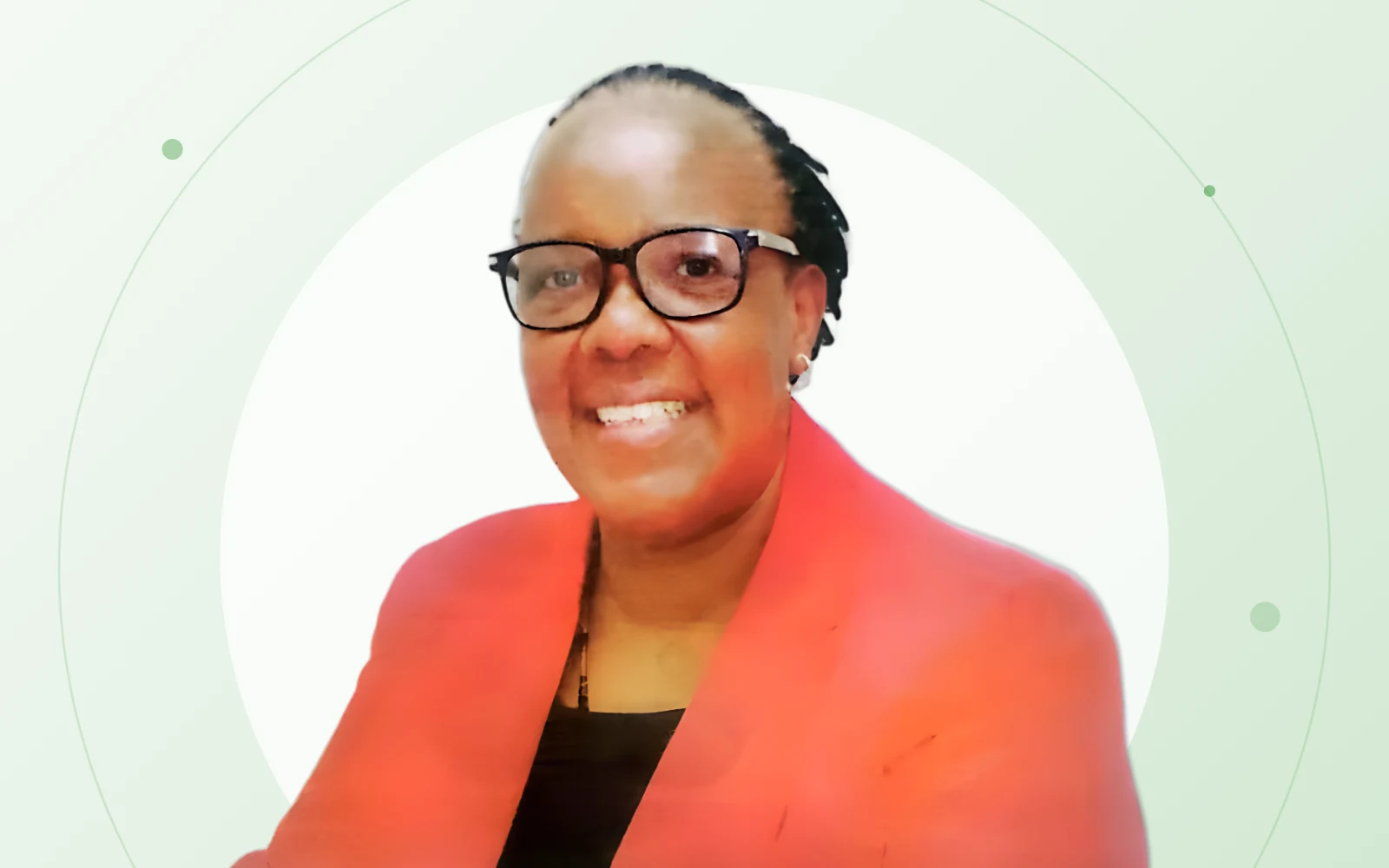
Coverage at a glance
“Kyosaba’s long road from classroom to counselling”
- Publication
- Daily Monitor, dmXtra Career
- Published
- Wednesday, 28 October 2026
- Writer
- Joan Salmon
We are delighted to share that the Daily Monitor has featured Dr Kyosaba Winfred Biribonwa, Founding Partner and Executive Director of WINRISE Counselling & Wellness, in its dmXtra Career pages. Written by Joan Salmon and published on Wednesday, 28 October 2026, the profile follows her journey from Grade III teacher to doctoral researcher, and examines the conviction that has guided every stage of it: that meaningful change begins with understanding the person, not merely correcting the behaviour.
For those of us who work alongside her, the piece captures something very familiar. Below, we set out its principal themes and reflect on what they mean for the way WINRISE serves individuals, families and institutions across Uganda. The full article is available on the Daily Monitor website.
It began in a primary school classroom
Dr Kyosaba’s professional life started not in a clinic but at the front of a classroom. Trained as a Grade III teacher, she had originally intended to spend her entire career teaching. What she observed, however, was that every child arrived carrying far more than a school bag: personal circumstances, differing abilities, and hopes and burdens that shaped how ready they were to learn.
Some pupils needed encouragement, reassurance and patience before any lesson could take hold. That realisation reframed teaching for her as something far larger than completing the syllabus or preparing children for examinations, and it established a habit she has kept ever since: looking beyond a child’s conduct to the child behind the uniform.
When colleagues and learners began to seek her out
Over time, colleagues and pupils alike began bringing her concerns that had little to do with academic work, among them personal difficulties, relationships, family circumstances and emotional strain. Recognising that these needs called for more than goodwill, she pursued formal training, completing a Bachelor’s degree in Guidance and Counselling at Kyambogo University in 2007.
Her subsequent practice took her to Hope Clinic in Lukuli, and into roles as a tutorial assistant at Kyambogo University and Nsamizi Training Institute of Social Development. Across these settings she developed a particular interest in young adults, whose difficulties are frequently dismissed as indiscipline, irresponsibility or stubbornness when anxiety, family pressures, social expectations or an unmet need for belonging may in fact lie beneath them.
Inclusion as a matter of dignity
The profile also highlights her long-standing commitment to disability inclusion. Her Master’s research at Uganda Christian University examined how people with visual and hearing impairments access HIV/AIDS information at Mildmay Centre, work that deepened her conviction that health information must be accessible to everyone it is meant to reach. She later took part in community-based participatory research with Sightsavers on economic empowerment for young people with disabilities in rural Uganda.
At Kyambogo, working with a student with a hearing impairment prompted her to think more deeply about communication, accessibility and the everyday experience of university life. Her conclusion is that genuine inclusion extends well beyond physical access, encompassing emotional wellbeing, relationships, communication barriers and a real sense of belonging and participation.
Why knowing the risks is not enough
As a university counsellor, Dr Kyosaba regularly met students who understood the risks attached to sexual activity, including unplanned pregnancy and sexually transmitted infections such as HIV, yet still acted against that knowledge. The gap between knowing and doing became the subject of her doctoral research at Mbarara University of Science and Technology (MUST), titled “Locus of Control, Sex Motives and Risky Sexual Behaviours among Young Adults in Ugandan Universities”, from which she is now preparing to graduate.
The research has reinforced a principle she applies in everyday practice: information on its own seldom changes behaviour. Young people respond better when they are given room to understand why they make the choices they do, to reflect on the pressures around them, and to build the confidence to act on their own values. She also makes the case that universities should treat student wellbeing as an integral part of the educational experience, mindful of the social, economic, relational and institutional circumstances that can limit a young person’s choices.
Listening as a method
Her practice draws on Carl Rogers’ person-centred approach, which holds that every person has inherent worth and potential, including when their decisions have led to harm. In her account, this does not mean avoiding difficult conversations; it means conducting them with dignity, compassion and a clear focus on constructive change. Counselling, as she describes it, is less about supplying answers than about helping a person discover strengths and possibilities they had not previously recognised.
What this means for WINRISE
These convictions run through the way WINRISE works. Whether we are supporting an individual, a family, a school or an employer, our starting point is the whole person: their circumstances, their relationships and the pressures that shape their decisions. It is why we place equal weight on attentive listening, on evidence-informed practice, and on making support accessible and culturally relevant across every region of Uganda.
Looking ahead, Dr Kyosaba hopes to keep encouraging educators to recognise the whole person behind every learner, counsellors to value evidence-informed practice, and young people to make choices that support their wellbeing and aspirations. It is an ambition the entire WINRISE team shares, and we are immensely proud to see her journey recognised in the national press.
We extend our sincere thanks to Joan Salmon and the Daily Monitor for telling this story with such care, and we warmly encourage readers to read the complete feature on the Daily Monitor website.
Read “Kyosaba’s long road from classroom to counselling” on monitor.co.ug
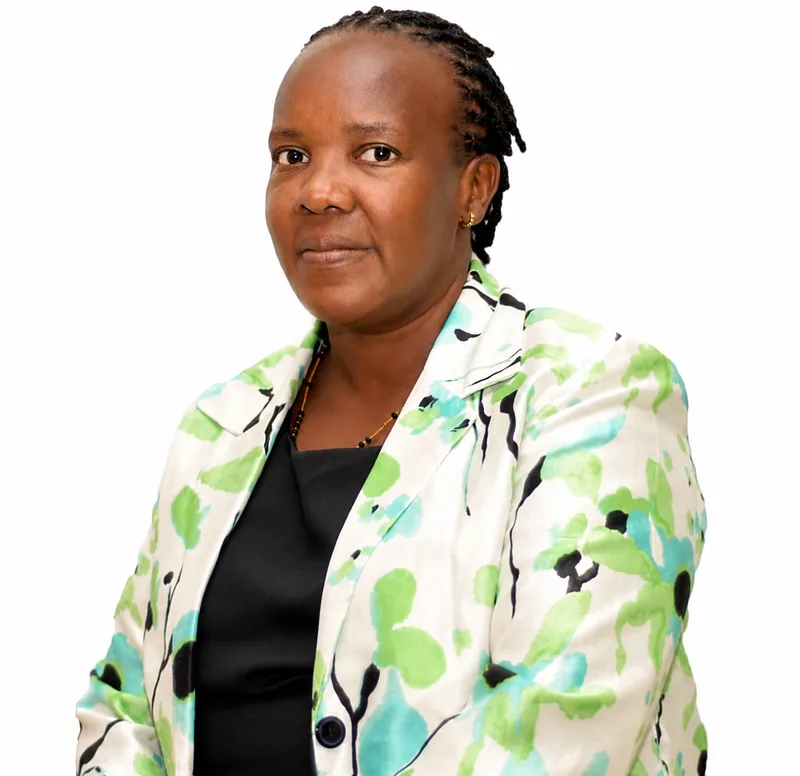
Featured in this article
Dr. Kyosaba Winfred Biribonwa - PhD
Founding Partner & Executive Director, Winrise Counselling & Wellness. Licensed psychologist with 35+ years of experience in rehabilitation counselling and community mental health.
This article is WINRISE’s own summary of, and reflection on, coverage first published by the Daily Monitor on Wednesday, 28 October 2026. The original article and its photography remain the property of the Daily Monitor. Please refer to the original feature for the full text.